
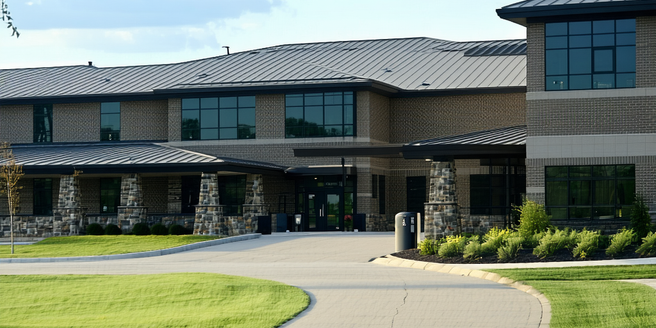
Defining Skilled Nursing Facilities and Their Importance
Skilled nursing facilities (SNFs) are crucial healthcare institutions that provide specialized medical care and rehabilitation for patients who need continuous nursing and therapy services. Often catering to those recovering from hospital stays, surgeries, or severe illnesses, SNFs play a vital role in helping individuals regain their independence and quality of life. Skilled nursing care includes services from licensed nurses, physical therapists, and occupational therapists, along with various other healthcare professionals who work collaboratively to design comprehensive care plans tailored to each patient’s needs. The importance of these facilities lies not only in their ability to offer intensive post-acute care but also their capacity to reduce hospital readmissions by ensuring patients receive appropriate care in a supportive environment.
Eligibility Criteria for Skilled Nursing Facility Coverage
Understanding the eligibility criteria for skilled nursing facility (SNF) coverage is crucial for accessing necessary services without unexpected financial burdens. To qualify for Medicare coverage in an SNF, patients typically must have a prior inpatient hospital stay of at least three days and need skilled care on a daily basis, as certified by a healthcare provider. Additionally, the admission to the SNF must occur within a short time frame following the hospital discharge, generally within 30 days. Medicare Part A covers up to 100 days in a SNF, with certain conditions applied. Patients must also be enrolled in Medicare and meet specific health conditions that require skilled nursing care. These criteria ensure that the SNF services are appropriately utilized and align with patients’ clinical needs.
The Role of Medicare and Medicaid in Coverage
Medicare and Medicaid serve as essential pillars in financing skilled nursing facility (SNF) coverage, each playing distinct roles in supporting patients. Medicare primarily covers short-term SNF stays for eligible individuals, usually after a qualifying hospital stay, providing coverage for skilled nursing, therapies, and room and board. Medicaid, on the other hand, acts as a safety net for individuals with limited financial means who require long-term care. It covers costs beyond Medicare’s scope, often stepping in when Medicare coverage is exhausted or inapplicable. For those dual-eligible for both programs, coordination of benefits ensures comprehensive support without duplication of services. Understanding the interplay between these programs helps patients and families navigate the complexities of SNF coverage.
Covered Services and Limitations in Skilled Nursing
Understanding covered services and limitations in skilled nursing can be complex, yet vital for effective healthcare planning. Most skilled nursing facilities (SNFs) provide a range of services including nursing care, physical therapy, occupational therapy, speech-language pathology, medical social services, and dietary counseling. Medicare covers these services under specific eligibility conditions following a hospital stay. However, coverage has limitations; for instance, Medicare typically does not cover long-term care, custodial services like assistance with daily living activities, or non-essential personal items. Care beyond a 100-day period might require additional coverage options like Medicaid or private insurance. To avoid surprises, patients should consult with their care coordinators to understand what services are covered and any potential out-of-pocket costs.
Common Misconceptions About Skilled Nursing Coverage
Several common misconceptions can cloud understanding of skilled nursing coverage, leading to confusion and unforeseen expenses. One prevalent myth is that Medicare covers all types of nursing care indefinitely, while in reality, Medicare only covers short-term, medically necessary care following a hospital stay, up to 100 days. Additionally, there’s a misconception that custodial services, which include non-medical care like bathing and dressing, are covered, while these usually fall outside typical coverage parameters and require private payment or Medicaid. Another misunderstanding is regarding the need for a hospital stay prior to SNF admission, an essential criterion for Medicare coverage, which often goes unnoticed. Clarifying these misconceptions with healthcare providers and insurance counselors can prevent pitfalls and ensure appropriate facility use.