
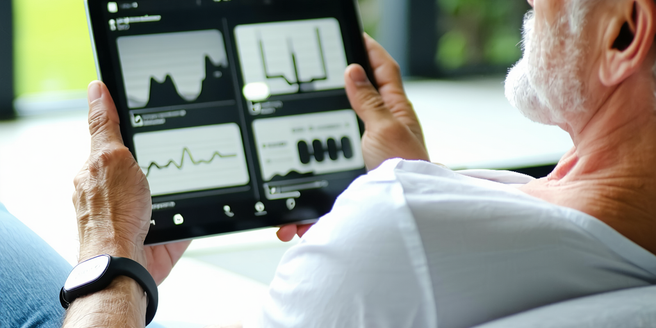
Telemedicine and Remote Patient Monitoring
The advent of telemedicine and remote patient monitoring has revolutionized healthcare delivery by bridging geographical barriers and enabling healthcare providers to deliver services directly to patients in their homes. This technology is particularly beneficial for managing chronic diseases, eliminating the need for frequent hospital visits. Through real-time data collection and analysis, healthcare providers can make informed decisions swiftly, enhancing patient outcomes. Moreover, the integration of artificial intelligence in telemedicine platforms further refines diagnostic accuracy and personalized treatment options. Additionally, telemedicine reduces healthcare costs by minimizing hospital admissions and travel expenses. The convenience of virtual consultations improves patient engagement and adherence to treatment plans, fostering proactive health management. However, challenges such as data privacy, security concerns, and equitable access to technology must be addressed to fully realize the potential of telemedicine and remote monitoring in revolutionizing healthcare delivery.
Artificial Intelligence in Diagnostics
Artificial Intelligence (AI) is making remarkable strides in the field of diagnostics, fundamentally transforming how diseases are detected and diagnosed. By leveraging sophisticated algorithms and machine learning, AI systems can analyze vast datasets with unprecedented speed and accuracy. This capability significantly enhances the early detection of diseases, which is crucial for conditions like cancer and rare genetic disorders where early intervention is vital. AI-driven diagnostic tools can assist physicians by providing precise pattern recognition capabilities, reducing human error, and augmenting clinical decision-making. Despite these advancements, the integration of AI in healthcare raises concerns about ethical considerations, transparency, and the need for rigorous validation of AI models. As AI continues to advance, it holds the promise of revolutionizing diagnostics, making healthcare more precise, personalized, and accessible.
Electronic Health Records: A Digital Transition
The transition to Electronic Health Records (EHRs) marks a significant leap towards digitizing healthcare information, streamlining communication between providers, and enhancing patient care. EHRs facilitate the secure sharing and coordination of medical data, enabling healthcare professionals to access comprehensive patient histories promptly. This digital transition minimizes errors associated with paper records, fostering accurate diagnoses and treatment plans. Additionally, healthcare practices are increasingly adopting advanced analytical tools that can leverage EHR data to identify health trends and improve outcomes. Moreover, EHRs empower patients by granting them easy access to their health information, resulting in improved health literacy and engagement. Despite the numerous benefits, challenges such as interoperability issues, privacy concerns, and the learning curve associated with new technologies persist. Addressing these hurdles is crucial to unlocking the full potential of EHRs, paving the way for an integrated, efficient, and patient-centric healthcare system.
Mobile Health Apps for Patient Engagement
Mobile health apps are transforming patient engagement by providing users with convenient tools to monitor and manage their health effectively. These apps offer functionalities such as appointment scheduling, medication reminders, and health tracking, empowering patients to take charge of their wellbeing. By fostering direct communication between patients and healthcare providers, mobile health apps enhance the continuum of care and promote adherence to treatment regimens. Additionally, they can cater to diverse patient needs through integration with wearables and other smart devices. Furthermore, they enable personalized healthcare experiences by utilizing data analytics to tailor medical advice and interventions. As mobile health technology evolves, it presents challenges such as ensuring data security, maintaining user privacy, and overcoming disparities in digital literacy. Nevertheless, mobile health apps stand as a promising innovation that bridges the gap between patients and healthcare systems, facilitating proactive health management.
The Rise of Wearable Health Technology
Wearable health technology is rapidly gaining traction as a powerful tool for continuous health monitoring and proactive health management. Devices such as smartwatches and fitness trackers provide users with real-time data on vital signs, activity levels, and other health metrics, enabling better awareness of their physical condition. As these technologies evolve, they are becoming integral to preventive healthcare strategies. This information can foster healthier lifestyle choices and alert users to potential health issues before they become critical. For healthcare providers, wearables offer a wealth of data that can enhance personalized care and improve patient outcomes. Despite their potential, challenges such as data privacy, accuracy, and device interoperability require attention. Furthermore, ensuring widespread access and understanding of wearable technologies is crucial to maximizing their impact on health management across diverse populations.
Personalized Medicine through Genomic Data
Personalized medicine heralds a new era in healthcare by leveraging genomic data to tailor treatments to individual genetic profiles. This approach enables healthcare providers to predict disease risk, identify effective therapies, and reduce adverse drug reactions, leading to more precise and targeted care. The integration of genomic data into clinical practice is driving the development of personalized treatment plans, enhancing patient outcomes and minimizing the trial-and-error approach historically associated with medical treatments. However, the widespread adoption of personalized medicine faces challenges, including ethical considerations, data privacy issues, and the need for robust infrastructure to handle genomic information. As genomic technologies continue to advance, personalized medicine holds the promise of revolutionizing healthcare by delivering treatments that are not only effective but also uniquely suited to each patient’s genetic makeup.
Blockchain for Secure Patient Data
Blockchain technology is emerging as a promising solution for enhancing security and privacy in the management of patient data. By utilizing decentralized ledgers, blockchain ensures that patient information is stored securely and is accessible only to authorized parties. This transparency and immutability address significant challenges associated with data breaches and unauthorized access. Blockchain can facilitate interoperability between healthcare systems, allowing seamless and secure sharing of medical records. Additionally, patients gain greater ownership and control over their data, empowering them to make informed decisions about their health. Despite its potential, the deployment of blockchain in healthcare faces hurdles such as scalability concerns, regulatory compliance, and the need for industry-wide standards. As these challenges are addressed, blockchain can significantly enhance the security and reliability of healthcare data.
Advanced Robotics in Surgery and Care
Advanced robotics is revolutionizing surgical procedures and patient care by introducing precision, efficiency, and reduced recovery times. Robotic surgery enhances the capabilities of surgeons, allowing for minimally invasive operations with greater control and accuracy. This robotic precision is particularly beneficial in complex procedures where human hands may struggle to achieve the same level of delicacy. One notable advancement is the development of robotic systems that assist in procedures once deemed too risky for conventional methods. In addition to surgery, robotics is applied in rehabilitation and elder care, providing assistance and improving quality of life for patients. While these advances hold great promise, they also present challenges, including high costs, training requirements, and ethical considerations regarding human-robot interaction. As technology progresses, the integration of robotics into healthcare practice represents a transformative shift towards safer, more efficient, and personalized medical care.
Challenges and Opportunities in Digital Healthcare
Digital healthcare is at the forefront of modern medicine, offering numerous opportunities for enhancing patient outcomes and streamlining healthcare delivery. However, it also presents challenges that must be addressed to fully realize its potential. Key opportunities include improved access to services, increased efficiency, and enhanced data-driven decision-making through technologies such as telemedicine, EHRs, and AI. The integration of these technologies into existing healthcare practices can lead to more personalized and effective patient care. Conversely, challenges such as data privacy concerns, interoperability issues, and the digital divide pose barriers to widespread adoption and implementation. Additionally, the rapid pace of technological innovation necessitates continuous adaptation by healthcare providers and systems. Navigating these challenges and leveraging opportunities requires collaboration between stakeholders, robust regulatory frameworks, and an emphasis on developing equitable solutions that ensure all patients benefit from digital advancements in healthcare.