
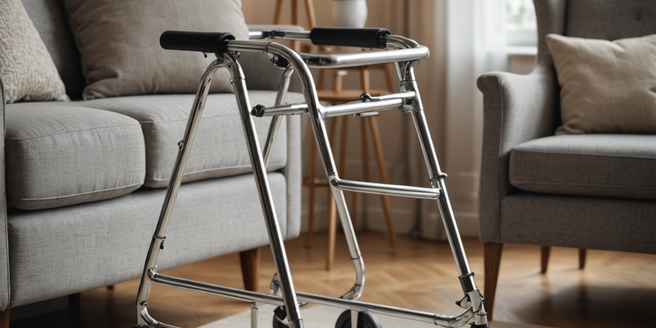
Understanding Durable Medical Equipment (DME) Basics
Durable Medical Equipment refers to medical devices prescribed by healthcare providers to help patients manage chronic conditions or recover from injuries. DME includes items like wheelchairs, walkers, oxygen equipment, diabetic supplies, and hospital beds. These devices are designed to withstand repeated use and provide essential support for daily activities. Medicare recognizes DME as medically necessary equipment that enables patients to function more independently at home. Unlike disposable medical supplies, DME is built for long-term durability and can be rented or purchased. Understanding what qualifies as DME is crucial for beneficiaries seeking coverage. Your healthcare provider must document medical necessity, and the equipment must serve a therapeutic purpose beyond general comfort or convenience to qualify for Medicare benefits.
What Medicare Part B Covers for DME
Medicare Part B provides coverage for a wide range of durable medical equipment when deemed medically necessary. Covered items include mobility aids like canes, crutches, and walkers; respiratory equipment including oxygen and CPAP machines; bathroom safety equipment such as grab bars and shower seats; and monitoring devices for chronic conditions. Powered wheelchairs, lift chairs, and pressure relief mattresses are also typically covered. Medicare covers both rental and purchase options depending on the specific equipment and circumstances. However, Part B does not cover items considered comfort-related or those primarily for convenience. The specific coverage rules vary by equipment type, and some items may require prior authorization. Beneficiaries should consult with their healthcare provider and Medicare-approved suppliers to determine coverage eligibility for specific equipment needs.
Eligibility Requirements and Prerequisites
To qualify for Medicare DME coverage, beneficiaries must be enrolled in Medicare Part B and have a prescription from an eligible healthcare provider. The provider must establish medical necessity by documenting that the equipment is required to treat a diagnosed medical condition. Patients must meet specific clinical criteria established by Medicare for each type of equipment. For example, wheelchair coverage requires documentation of immobility or severe mobility limitations. Some items have age or condition-specific requirements. Beneficiaries cannot purchase equipment independently and expect reimbursement; authorization must occur before purchase or rental. Additionally, patients must use Medicare-approved suppliers to ensure coverage. Understanding these prerequisites helps streamline the approval process and prevents unnecessary delays or denials.
The Prior Authorization and Documentation Process
Prior authorization is often required before obtaining DME through Medicare. The process typically involves your healthcare provider submitting documentation to Medicare or a DME Regional Carrier for approval. Required documentation includes detailed medical records, physician notes explaining medical necessity, and specific clinical findings supporting equipment need. Your provider must submit prescriptions using appropriate codes and detailed specifications. The review process can take several business days to complete. Medicare evaluates whether the requested equipment meets coverage criteria and is appropriate for your condition. Once approved, you receive authorization that allows you to obtain equipment from Medicare-approved suppliers. Some equipment may qualify for expedited review if medically urgent. Understanding this process and providing complete documentation upfront significantly accelerates approval timelines.
Cost-Sharing: Deductibles, Copayments, and Coinsurance
Medicare Part B requires beneficiaries to meet an annual deductible before DME coverage begins. Once the deductible is satisfied, Medicare typically covers eighty percent of approved DME costs, requiring beneficiaries to pay a twenty percent coinsurance. However, some preventive equipment may be covered at one hundred percent with no cost-sharing required. The specific cost-sharing arrangement depends on equipment type and whether it’s rented or purchased. Rental items may have different payment structures than purchase options. Beneficiaries with supplemental insurance or Medicaid may have additional coverage reducing out-of-pocket expenses. It’s important to understand your financial responsibility before obtaining equipment. Request itemized cost estimates from suppliers and verify your deductible status with Medicare to plan accordingly.
How to Find Medicare-Approved DME Suppliers
Locating qualified Medicare-approved suppliers is essential for ensuring coverage and quality service. Medicare maintains an online directory called the DME Regional Carrier locator on their official website where you can search for approved suppliers in your area. You can search by zip code, equipment type, or supplier name. Additionally, your healthcare provider can recommend trusted suppliers they work with regularly. The Supplier Standards program certifies suppliers meeting specific quality and service requirements. When selecting a supplier, verify their Medicare approval status and confirm they accept Medicare assignment. Contact multiple suppliers to compare prices and services, as costs may vary. Ensure the supplier provides proper maintenance and support services. Choosing an approved supplier protects your coverage eligibility and guarantees equipment quality.